
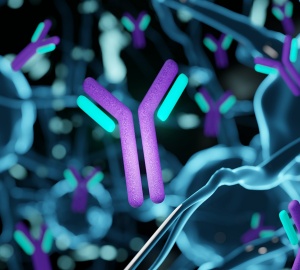
Bispecific antibodies are reshaping how scientists investigate immune regulation, tumour biology, and cellular communication. By engaging two molecular targets simultaneously, these engineered molecules make it possible to explore biological mechanisms that traditional monoclonal antibodies cannot reveal. This overview breaks down the principles of bispecific antibody design, their applications across research models, and how high‑quality reagent manufacturing supports reliable scientific outcomes.
What are bispecific antibodies?
Bispecific antibodies are recombinant proteins capable of binding two distinct antigens or epitopes at once. Unlike conventional monoclonal antibodies, each designed for a single target, bispecifics can physically link molecules or cell populations, creating interactions that do not naturally occur or are difficult to study otherwise.
Researchers employ bispecific antibodies to interrogate:
- Immune‑cell redirection and activation
- Dual checkpoint receptor modulation
- Communication between tumours and infiltrating immune cells
- Cooperative, synergistic, or compensatory signalling pathways
- Mechanistic features of potential therapeutic strategies
In practical terms, bispecific antibodies let scientists probe complex biological systems through dual‑target precision.
Common designs and formats of bispecific antibodies
Multiple structural configurations have been developed to support different research objectives. Some of the most commonly used bispecific formats include:
Knob‑in‑Hole (KIH): this structure uses engineered heavy‑chain interfaces that promote selective pairing, producing a stable IgG‑like molecule with one binding site for each target. KIH antibodies are frequently used in therapeutic modelling due to their predictable assembly.
Head & Tail format: this design fuses a single‑chain variable fragment (scFv) to the Fc region of a full IgG, generating a 2+2 binding architecture. The extra valency makes it useful for researchers investigating multivalent interactions and signal enhancement mechanisms.
Tail & Head format: in this configuration, the scFv is attached to the light chain instead of the Fc. This placement can be advantageous for studies focused on dual‑receptor engagement or examining how two signalling pathways influence one another.
Together, these formats give scientists the flexibility to match structural design with experimental goals, expression efficiency, and desired functional outcomes.
Why bispecific antibodies are valuable research tools
- Dual‑target engagement opens the door to a wide spectrum of applications, such as:
- Mapping cooperative or redundant signalling networks
- Evaluating combined checkpoint inhibition strategies
- Modelling T‑cell driven tumour killing and cytotoxic responses
- Building more predictive in vivo efficacy systems
Across discovery and preclinical development, bispecific antibodies help researchers define mechanism of action, clarify target interactions, and generate data that informs therapeutic candidate selection.
Bispecific antibodies available from Bio X Cell
Bio X Cell provides both off‑the‑shelf bispecific reagents and fully customisable engineering solutions to support diverse research needs.
Catalogue bispecific antibodies
Designed for use in preclinical models and available in both anti-mouse and anti-human formats.
| Category | Description | Example use |
|---|---|---|
| Anti-mouse bispecific antibodies | Built to engage mouse targets for use in immunocompetent in vivo models | Immune-checkpoint, tumour microenvironment modeling |
| Anti-human bispecific biosimilars | Research-grade versions on clinical bispecific constructs | Comparative efficacy or mechanistic translational studies |
Custom bispecific engineering services
For projects requiring non‑catalogue targets or alternative architectures, Bio X Cell offers:
- A range of selectable bispecific formats
- Tailored antigen pairing
- Species‑matched reagent design
- Options for Fc silencing or isotype modifications
- Recombinant production and purification at research scale
What makes Bio X Cell bispecifics ready for research?
Each Bio X Cell bispecific antibody is produced with specifications designed to maximise reproducibility and performance, especially in sensitive in vivo or advanced in vitro systems. Every reagent is:
- ≥ 95% pure
- ≤ 0.5 EU/mg endotoxin
- Free of carriers and preservatives
- Screened for murine pathogens
- Manufactured for consistent lot‑to‑lot reliability
These quality standards ensure that bispecific antibodies perform dependably in a wide range of models, from organoids to organ‑on‑chip technologies, and help bridge observations from controlled assays to physiologically relevant outcomes.
How manufacturing expertise enhances research consistency
Successful bispecific studies depend heavily on reagent quality. Even small variations in purity, endotoxin levels, or formulation can significantly alter biological readouts.
With nearly three decades of experience producing functional antibodies for immunology and oncology research, Bio X Cell applies the same trusted manufacturing processes across every bispecific product. From expression workflows to purification and QC, each step is optimised to deliver reproducible, biologically reliable reagents, whether catalogue or custom.
The role of bispecific antibodies in translational research
Bispecific antibodies provide continuity across the entire research pipeline:
- Early discovery: pathway mapping, target validation
- Preclinical development: immune modulation, cytotoxicity modelling, tumour-immune interaction studies
- Translational research: evaluation of next‑generation therapeutic concepts
Availability of both anti‑mouse and anti‑human bispecific formats allows researchers to transition seamlessly from mechanistic studies to translational modelling without altering platforms or workflows.
By enabling coordinated engagement of multiple pathways or cell types, bispecific antibodies contribute to more predictive, physiologically meaningful datasets - an essential foundation for developing effective therapeutic strategies.
Learn more about Bio X Cell's bispecific antibody range or contact our Bio X Cell specialists for a quote.
This blog was adapted from Bio X Cell's original content.